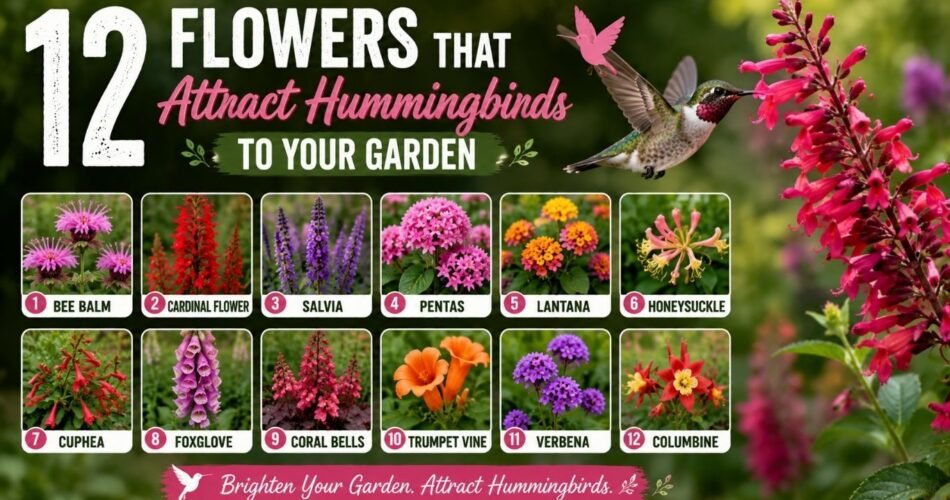
Few things in a backyard feel as magical as watching a hummingbird hover inches from a flower, its wings a blur of motion, its tiny body catching the light like a jewel. If you want more of those moments, the secret is simpler than most people think — plant the right flowers.
Hummingbirds are creatures of habit and instinct. They return to reliable nectar sources year after year, and once your garden earns a spot on their mental map, they’ll visit daily. The good news is that creating a hummingbird-friendly garden doesn’t require a huge yard, rare plants, or a lot of money. It just takes thoughtful plant selection.
In this guide, I’ll walk you through 12 flowers that attract hummingbirds to your garden — flowers I’ve either grown myself or know well from years of hands-on gardening. For each one, you’ll get practical growing details so you can make confident planting decisions, whether you’re working with a sprawling backyard or a few containers on a balcony.
Let’s dig in.
Why Hummingbirds Are Worth Attracting
Before we get into the plant list, it’s worth understanding what makes hummingbirds tick. These little birds burn enormous amounts of energy — their hearts beat up to 1,260 times per minute during flight. To fuel that, they need to drink nectar from hundreds of flowers every day.
They’re naturally drawn to:
- Tubular or trumpet-shaped flowers (their beaks fit perfectly)
- Red, orange, and pink hues (though they’ll visit purple and blue too)
- High-sugar, dilute nectar (about 20–25% sucrose)
- Flowers with no landing platform (unlike bees, hummingbirds hover)
The best strategy is layering different bloom times so there’s always something in flower from early spring through late fall. If you want an effortless approach to planning a yard full of color all season, check out this guide on 10 Best Backyard Plants That Bloom All Season — it pairs beautifully with the flowers below.
The 12 Best Flowers That Attract Hummingbirds
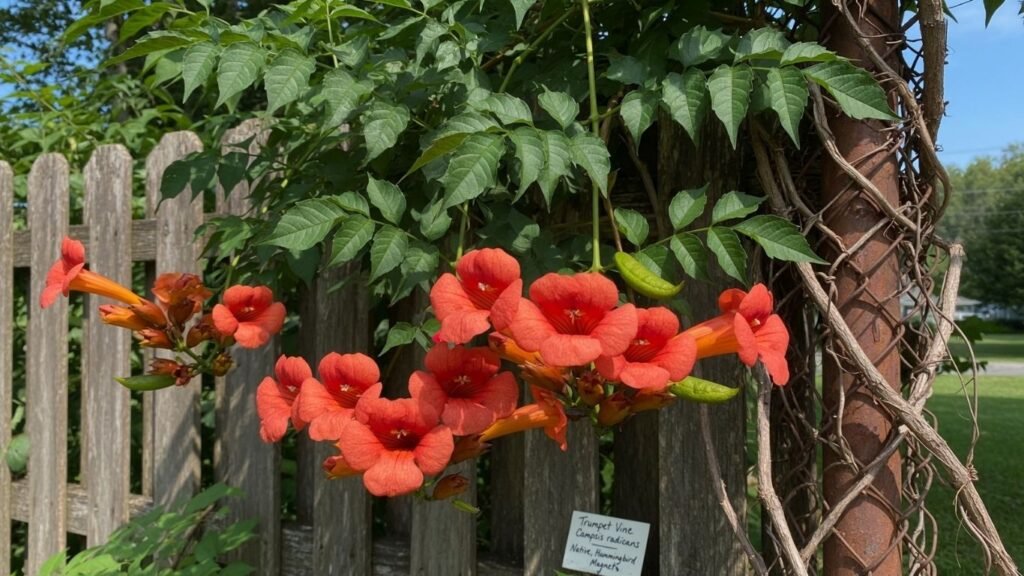
1. Trumpet Vine (Campsis radicans)
Why Hummingbirds Love It
Trumpet vine is basically a hummingbird magnet in plant form. Its large, fiery orange-red trumpet-shaped flowers produce abundant nectar, and the bloom period is long — sometimes stretching from late spring all the way into early fall. If you plant one in your yard, expect hummingbirds to find it within a season or two. I’ve seen ruby-throated hummingbirds return to the same trumpet vine on a fence post for three summers running.
Bloom Season
Late spring through early fall (June–September in most zones)
Flower Colors
Deep orange, red-orange, and yellow varieties available
USDA Hardiness Zones
Zones 4–9
Mature Height and Spread
Can climb 30–40 feet with support; spread varies by pruning
Sunlight Requirements
Full sun (at least 6–8 hours daily) for best flowering
Soil Type and pH
Adaptable to most soils; prefers well-drained, moderately fertile soil; pH 6.0–7.0
Watering Needs
Drought-tolerant once established; water weekly during the first season
Pollinator Benefits
Attracts ruby-throated and rufous hummingbirds, plus orioles and some butterflies
Companion Plants
Black-eyed Susan, coneflower, salvia — plants that won’t compete but fill in around the base
Container Suitability
Not ideal for containers due to vigorous root growth; best in the ground with a fence or trellis
Common Pests and Diseases
Aphids, whiteflies, and powdery mildew in humid conditions
Common Growing Mistakes to Avoid
Don’t plant it near structures you can’t easily control. Trumpet vine is genuinely aggressive — it sends up suckers, clings to wood siding, and can heave up pavement if roots run under it. Give it a dedicated fence, arbor, or tree stump to climb, and prune it hard every spring to keep it manageable. Many gardeners regret planting it too close to the house.
2. Salvia (Salvia spp.)
Why Hummingbirds Love It
Salvias are among the most reliable hummingbird-attracting plants you can grow. The tubular flowers are perfectly sized for a hummingbird’s beak, and many species bloom prolifically with minimal care. I grow ‘Black and Blue’ salvia in my pollinator border, and it’s rarely without a hummingbird visitor from July through frost. The variety of salvias available means you can find one for nearly any climate.
Bloom Season
Summer through fall (July–October); some species bloom spring through fall
Flower Colors
Red, blue, purple, pink, white, and bicolor depending on variety
USDA Hardiness Zones
Zones 4–10 depending on species (many tender salvias grown as annuals in colder zones)
Mature Height and Spread
12 inches to 5 feet tall; 12–36 inches wide depending on variety
Sunlight Requirements
Full sun to partial shade (full sun preferred for maximum blooms)
Soil Type and pH
Well-drained, moderately fertile soil; pH 6.0–7.0; tolerates poor soils
Watering Needs
Moderate; water deeply once or twice a week, less once established
Pollinator Benefits
Excellent for hummingbirds, bees, and butterflies; one of the most pollinator-friendly plant families
Companion Plants
Agastache, catmint, coneflower, Russian sage
Container Suitability
Yes — compact varieties like Salvia greggii and annual salvias grow beautifully in pots
Common Pests and Diseases
Generally pest-resistant; occasional aphids or spider mites in dry conditions; root rot in poorly drained soil
Common Growing Mistakes to Avoid
Not deadheading or cutting back mid-season. Many salvias slow down in midsummer heat. Cut them back by about one-third, water well, and they’ll push a fresh flush of blooms in late summer — right when migrating hummingbirds are fueling up. Also, don’t over-fertilize; too much nitrogen produces leafy growth at the expense of flowers.
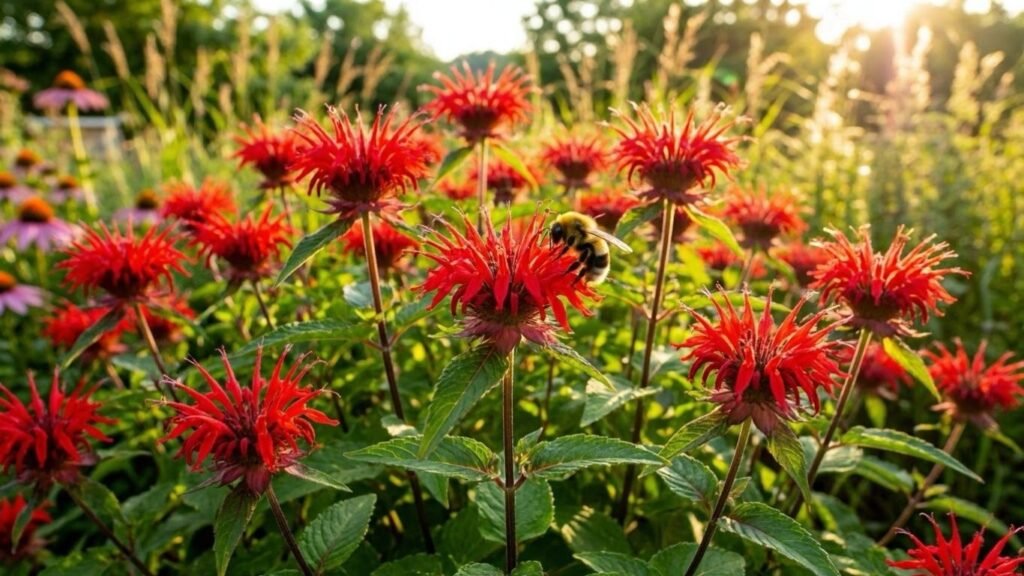
3. Bee Balm (Monarda didyma)
Why Hummingbirds Love It
Bee balm is a native North American wildflower that hummingbirds absolutely adore. Its shaggy, tubular flower heads are architecturally unique, and the nectar is easy for hovering hummingbirds to access. It’s also one of the few hummingbird plants that genuinely thrives in partial shade, making it useful in woodland gardens or spots that don’t get full afternoon sun.
Bloom Season
Midsummer (July–August)
Flower Colors
Red, pink, purple, lavender, white
USDA Hardiness Zones
Zones 3–9
Mature Height and Spread
2–4 feet tall; spreads by rhizomes to form clumps 2–3 feet wide
Sunlight Requirements
Full sun to partial shade (afternoon shade reduces powdery mildew)
Soil Type and pH
Moist, rich, well-drained soil; pH 6.0–7.0; tolerates clay if not waterlogged
Watering Needs
Moderate to high; keep soil consistently moist, especially in hot weather
Pollinator Benefits
Outstanding — attracts hummingbirds, bumble bees, and swallowtail butterflies. Truly one of the best native pollinator plants
Companion Plants
Coneflower, black-eyed Susan, garden phlox, astilbe (in shadier spots)
Container Suitability
Possible in large containers (at least 12–14 inches wide), but it prefers to spread in the ground
Common Pests and Diseases
Powdery mildew is the main issue — choose mildew-resistant varieties like ‘Jacob Cline,’ ‘Raspberry Wine,’ or ‘Marshall’s Delight’
Common Growing Mistakes to Avoid
Planting in poor air circulation. Bee balm needs space to breathe. If you crowd it, powdery mildew will coat the leaves by August and the plant looks terrible even if it’s still blooming. Divide clumps every 2–3 years, remove the old center growth, and replant the vigorous outer portions for healthiest results.
4. Cardinal Flower (Lobelia cardinalis)
Why Hummingbirds Love It
Cardinal flower is arguably the single best native plant for attracting hummingbirds in North America. The vivid scarlet-red color is perfectly tuned to hummingbird vision, and the tubular flowers are shaped so that other pollinators have difficulty accessing the nectar — meaning it’s essentially reserved for hummingbirds. Plant it near a water source if you can, and you’ll attract birds that want both a drink and a meal.
Bloom Season
Mid to late summer (July–September)
Flower Colors
Brilliant scarlet-red; some cultivars offer pink or white
USDA Hardiness Zones
Zones 2–9
Mature Height and Spread
2–4 feet tall; 1–2 feet wide
Sunlight Requirements
Full sun to partial shade; appreciates some afternoon shade in hot climates
Soil Type and pH
Moist to wet, fertile soil; pH 5.5–7.0; naturally found along stream banks and pond edges
Watering Needs
High; does not tolerate drought — keep soil consistently moist
Pollinator Benefits
One of the most specialized hummingbird plants in North American flora; also supports native bees
Companion Plants
Joe Pye weed, ironweed, swamp milkweed, blue vervain — all moisture-loving natives that work beautifully together
Container Suitability
Yes, with consistent watering — use a large container and never let it dry out
Common Pests and Diseases
Slugs, aphids, and rust fungus; crown rot if drainage is poor despite its moisture preference
Common Growing Mistakes to Avoid
Letting it dry out even once. Cardinal flower is not drought-tolerant at all. Even a day or two of dry soil during bloom time will stress the plant significantly. Mulch heavily around the base to retain moisture and plant it in lower, moister areas of your garden when possible.
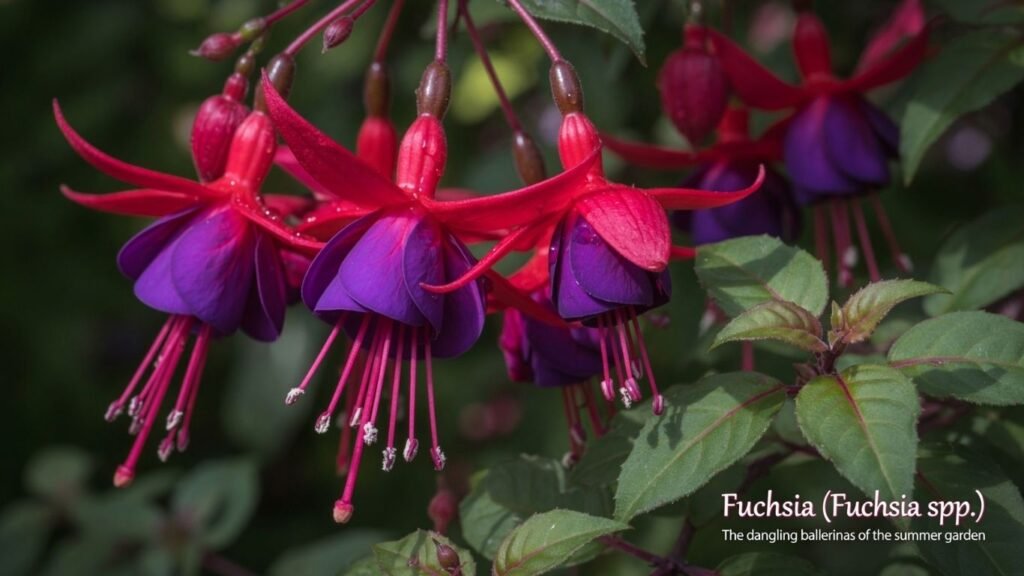
5. Fuchsia (Fuchsia spp.)
Why Hummingbirds Love It
If you want hummingbirds visiting a hanging basket on your porch, fuchsia is your answer. The pendulous, two-toned flowers dangle like little lanterns and are almost impossibly attractive to hummingbirds. In the western United States especially, fuchsias in hanging baskets become regular stops on hummingbird feeding routes. I’ve had Anna’s hummingbirds visit a basket on my front porch every morning for an entire summer.
Bloom Season
Spring through fall (with care) — nearly continuous in mild climates
Flower Colors
Pink and purple, red and white, red and pink, magenta — countless bicolor combinations
USDA Hardiness Zones
Zones 10–11 (grown as annuals or overwintered indoors in colder zones); F. magellanica hardy to Zone 6
Mature Height and Spread
Trailing varieties: 12–24 inches long; upright types: 2–3 feet
Sunlight Requirements
Partial shade to bright indirect light; direct afternoon sun causes wilting
Soil Type and pH
Moist, rich, well-drained potting mix; pH 6.0–7.0
Watering Needs
High — daily watering often needed in warm weather for container plants
Pollinator Benefits
Excellent for hummingbirds; also attracts butterflies
Companion Plants
Impatiens, begonias, and trailing lobelia work well in combination plantings
Container Suitability
Excellent — fuchsia is primarily grown as a container or hanging basket plant
Common Pests and Diseases
Fuchsia gall mite (in coastal California), aphids, whiteflies, botrytis in humid conditions
Common Growing Mistakes to Avoid
Too much direct sun and inconsistent watering. Fuchsia wilts dramatically in hot afternoon sun and will drop its flower buds if allowed to dry out. Keep it in morning sun or bright filtered light, water consistently, and feed with a balanced liquid fertilizer every two weeks during the growing season to keep blooms coming.
6. Penstemon (Penstemon spp.)
Why Hummingbirds Love It
Penstemon — also called beardtongue — is a genus of native North American flowering plants that have co-evolved with hummingbirds for thousands of years. The relationship is written right into the flower’s shape: narrow, tubular blooms that fit a hummingbird’s beak like a key in a lock. Many species are drought-tolerant, making them ideal for western and southwestern gardens where water conservation matters.
Bloom Season
Late spring through summer (May–July, sometimes longer)
Flower Colors
Red, pink, purple, white, lavender — varies widely by species
USDA Hardiness Zones
Zones 3–10 depending on species
Mature Height and Spread
1–4 feet tall; 1–2 feet wide depending on variety
Sunlight Requirements
Full sun to light shade
Soil Type and pH
Well-drained, lean to moderately fertile soil; pH 6.0–8.0; excellent in sandy or rocky soils
Watering Needs
Low to moderate once established; drought-tolerant; susceptible to root rot in wet, heavy soils
Pollinator Benefits
Exceptional for hummingbirds and native bees; some species are specifically adapted for hummingbird pollination
Companion Plants
Salvia, agastache, lavender, ornamental grasses, yarrow
Container Suitability
Yes — especially smaller species; ensure excellent drainage
Common Pests and Diseases
Generally very pest-resistant; root rot in poorly drained or overwatered conditions is the main concern
Common Growing Mistakes to Avoid
Planting in rich, moist soil. This is counterintuitive for many gardeners, but penstemon actually performs worse in fertile, moist garden beds. It flops over, grows overly lush, and becomes short-lived. Give it lean, gritty, well-drained soil and it’ll be far more robust, floriferous, and long-lasting.
7. Agastache (Agastache spp.)
Why Hummingbirds Love It
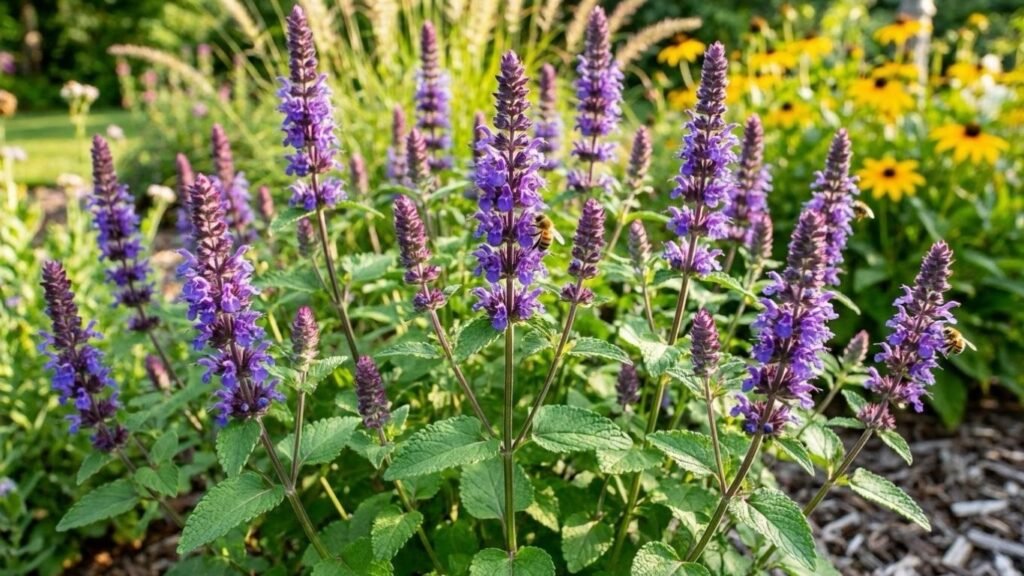
Agastache — also known as hummingbird mint or anise hyssop — is one of those plants that seems to attract hummingbirds almost impossibly well. The long spikes of small tubular flowers provide nectar over an extended period, and the plant blooms for months without much deadheading. It’s also deer-resistant, drought-tolerant, and smells wonderful when you brush against it. If I had to choose just five plants for a pollinator garden, agastache would be on that list every time.
Bloom Season
Summer through fall (July–October)
Flower Colors
Orange, pink, lavender, purple, coral, magenta
USDA Hardiness Zones
Zones 4–10 depending on species and variety
Mature Height and Spread
18 inches to 4 feet tall; 18–24 inches wide
Sunlight Requirements
Full sun (essential for best blooming and plant health)
Soil Type and pH
Well-drained, moderately fertile soil; pH 6.0–7.5; tolerates poor, dry soils
Watering Needs
Low to moderate; drought-tolerant once established; do not overwater
Pollinator Benefits
Exceptional — one of the highest-rated plants for combined hummingbird and butterfly attraction; also beloved by bees
Companion Plants
Salvia, coneflower, black-eyed Susan, Russian sage, penstemon
Container Suitability
Yes — grows well in containers with good drainage; may need dividing every few years
Common Pests and Diseases
Very pest-resistant; powdery mildew occasionally in humid, shaded conditions; root rot if overwatered
Common Growing Mistakes to Avoid
Overwatering and providing too-rich soil. Like penstemon, agastache is built for lean, dry conditions. Pamper it too much and it becomes floppy and short-lived. The plants I’ve seen struggle most are always in heavy, moisture-retentive soils. Lean and mean is the way to go with this one.
8. Coral Honeysuckle (Lonicera sempervirens)
Why Hummingbirds Love It
Unlike the invasive Japanese honeysuckle (Lonicera japonica), coral honeysuckle is a beautiful, well-behaved native vine that hummingbirds find irresistible. The long, coral-red tubular flowers appear in clusters and bloom heavily in spring, then sporadically through summer and fall. It’s a classic vine for fences and trellises in the Southeast and Mid-Atlantic, but it grows well across much of the country. Hummingbirds often make it a first stop on their spring return from migration.
Bloom Season
Spring through fall (heaviest bloom in spring)
Flower Colors
Coral-red with yellow interiors; some cultivars are pure yellow or orange-red
USDA Hardiness Zones
Zones 4–9
Mature Height and Spread
10–20 feet climbing vine; 3–6 feet wide
Sunlight Requirements
Full sun to partial shade; blooms most heavily in full sun
Soil Type and pH
Adaptable; prefers moist, well-drained soil; pH 6.0–8.0
Watering Needs
Moderate; drought-tolerant once established; water regularly during the first two seasons
Pollinator Benefits
Outstanding for ruby-throated hummingbirds; also feeds orioles and native bees
Companion Plants
Coneflower, salvia, native grasses — plant nectar-rich perennials at its base to create a hummingbird feeding station
Container Suitability
Possible in a very large container with a substantial trellis, but not ideal
Common Pests and Diseases
Aphids (common but not usually serious), powdery mildew, leaf spot
Common Growing Mistakes to Avoid
Confusing it with Japanese honeysuckle and letting it spread unchecked. Coral honeysuckle is well-mannered, but confirm you’re buying the right species. Also, don’t plant it in deep shade — it’ll survive but barely bloom. A fence in full or partial sun is the perfect home for this vine.
9. Lantana (Lantana camara)
Why Hummingbirds Love It
Lantana is a tough-as-nails summer performer that blooms prolifically in heat and humidity — conditions that make many other flowers give up. The dense clusters of small tubular flowers come in eye-catching bicolor combinations, and both hummingbirds and butterflies visit constantly throughout the day. In a hot summer garden where other plants are struggling, lantana often looks its best.
Bloom Season
Late spring through first frost (May–October or longer in warm climates)
Flower Colors
Yellow, orange, red, pink, lavender, white, and bicolor combinations
USDA Hardiness Zones
Zones 8–11 (grown as an annual in colder zones)
Mature Height and Spread
18 inches to 6 feet depending on variety and climate; 2–5 feet wide
Sunlight Requirements
Full sun — needs at least 6–8 hours to bloom well
Soil Type and pH
Well-drained soil; tolerates poor and sandy soils; pH 5.5–7.5
Watering Needs
Low to moderate once established; drought-tolerant; blooms best with occasional deep watering
Pollinator Benefits
Excellent for hummingbirds and butterflies; also attracts skipper species and some native bees
Companion Plants
Salvia, pentas, portulaca, ornamental grasses
Container Suitability
Excellent — one of the best container performers for heat and pollinator attraction
Common Pests and Diseases
Whiteflies and lantana lace bugs; powdery mildew in cool, humid weather; root rot if overwatered
Common Growing Mistakes to Avoid
Not deadheading or cutting back lanky growth. Lantana can get straggly by midsummer. Cut it back by about one-third in midsummer to encourage a fresh flush of blooms. Also, note that lantana berries are toxic to dogs and children — plant accordingly. In warm climates (Zone 8 and warmer), be aware it can escape into natural areas; choose sterile varieties when available.
10. Salvia guaranitica (‘Black and Blue’)
(A separate entry from the broader Salvia genus because this specific cultivar deserves special recognition)
Why Hummingbirds Love It
‘Black and Blue’ salvia is one of the most striking plants in any pollinator garden. The deep cobalt-blue flowers emerge from nearly black calyxes, creating a dramatic contrast that stands out beautifully in the garden. And hummingbirds absolutely cannot ignore it. I’ve watched hummingbirds bypass a dozen other plants to get to this salvia first. It blooms from summer until hard frost, making it particularly valuable for fall migrants.
Bloom Season
Midsummer through fall frost (July–October)
Flower Colors
Deep cobalt blue with black calyxes — visually stunning
USDA Hardiness Zones
Zones 7–11 (root-hardy in Zone 7; grown as annual or overwintered tubers in colder zones)
Mature Height and Spread
3–5 feet tall; 2–3 feet wide
Sunlight Requirements
Full sun to light afternoon shade
Soil Type and pH
Well-drained, moderately fertile soil; pH 6.0–7.0
Watering Needs
Moderate; water deeply and regularly but allow soil to dry slightly between waterings
Pollinator Benefits
Exceptional — consistently rated among the top hummingbird salvias; also attracts bumblebees
Companion Plants
Canna, Mexican sunflower (Tithonia), rudbeckia, ornamental grasses
Container Suitability
Yes — grows beautifully in large containers (at least 14–16 inches); stake if needed in exposed locations
Common Pests and Diseases
Aphids occasionally; fairly pest-resistant overall; root rot in poorly drained conditions
Common Growing Mistakes to Avoid
Cutting it back too early in fall. ‘Black and Blue’ hits its stride in late summer and fall, exactly when migrating hummingbirds need fuel. Resist the urge to tidy it up too early. Let it bloom until frost, then cut it down. In Zone 7, mulch the roots heavily to increase winter survival.
11. Crocosmia (Crocosmia × crocosmiiflora)
Why Hummingbirds Love It
Crocosmia is one of those plants that garden designers love for its graceful, arching stems and fiery flower spikes — and hummingbirds love it for the nectar. The bright orange-red tubular flowers are arranged in a cascading spray that makes it easy for hovering hummingbirds to work their way down the stem. ‘Lucifer’ is the most commonly grown variety and one of the most dramatic plants you can grow for late summer color.
Bloom Season
Midsummer (July–August)
Flower Colors
Vivid red-orange, orange, yellow; ‘Lucifer’ is flame red
USDA Hardiness Zones
Zones 5–9 (Zone 5 with winter mulching; corms can be lifted in colder zones)
Mature Height and Spread
2–4 feet tall; 18–24 inches wide, spreading by corms over time
Sunlight Requirements
Full sun to partial shade
Soil Type and pH
Moist, well-drained, fertile soil; pH 6.0–7.0; does not like waterlogged or bone-dry conditions
Watering Needs
Moderate; keep consistently moist during growing season; reduce after foliage dies back
Pollinator Benefits
Excellent for hummingbirds; also attracts butterflies
Companion Plants
Dahlias, rudbeckia, echinacea, ornamental grasses — works beautifully in mixed summer borders
Container Suitability
Yes in large, deep containers (at least 12 inches deep to accommodate corms)
Common Pests and Diseases
Spider mites in dry conditions; red spider mite; corm rot if soil stays too wet in winter
Common Growing Mistakes to Avoid
Letting corms freeze in cold climates. In zones colder than Zone 6, lift corms after the first frost, dry them for a week, and store in barely moist peat moss in a cool but frost-free location. Also, give them space — they multiply quickly and will crowd out smaller neighbors if left unchecked for several years.
Speaking of dahlias, if you want to combine bold midsummer color with hummingbird appeal, take a look at this guide on How to Grow Dahlias in Pots for Stunning Summer Blooms — dahlias make excellent companions in container plantings alongside crocosmia.
12. Phlox (Phlox paniculata)
Why Hummingbirds Love It
Garden phlox is often thought of primarily as a cut flower or cottage garden plant, but it’s also a genuine hummingbird magnet, especially in late summer when the large, fragrant flower heads are at their peak. The tubular flowers are accessible to hummingbirds, and the sheer size of the flower clusters gives them plenty of nectar to work through. It also happens to look and smell gorgeous, making it a plant that earns its keep in multiple ways.
Bloom Season
Midsummer through early fall (July–September)
Flower Colors
Pink, red, lavender, purple, white, salmon, coral, and bicolors
USDA Hardiness Zones
Zones 3–8
Mature Height and Spread
2–4 feet tall; 2–3 feet wide
Sunlight Requirements
Full sun (6+ hours); partial shade increases powdery mildew risk
Soil Type and pH
Moist, fertile, well-drained soil; pH 6.0–7.0
Watering Needs
Moderate; keep consistently moist but not soggy; mulch to retain moisture
Pollinator Benefits
Attracts hummingbirds, swallowtail butterflies, and sphinx moths
Companion Plants
Coneflower, black-eyed Susan, garden salvia, bee balm
Container Suitability
Possible but not ideal due to mildew issues with restricted airflow; better in the ground
Common Pests and Diseases
Powdery mildew is the primary challenge — choose resistant varieties like ‘David,’ ‘Robert Poore,’ or ‘Jeana’
Common Growing Mistakes to Avoid
Planting in crowded conditions with poor air circulation. Phlox needs breathing room. Space plants at least 18–24 inches apart, avoid wetting the foliage when watering, and remove any affected leaves promptly. If your phlox gets mildewed every year regardless, switch to a highly resistant variety. It’s also worth noting that phlox makes one of the most beautiful cut flowers — explore more options in this guide to 11 Easy Perennial Flowers for Beautiful Cut Bouquets if you want to bring that garden color indoors.
Expert Tips for Creating a Hummingbird-Friendly Garden
Plan for Continuous Blooms from Spring Through Fall
The most important thing you can do for hummingbirds — and for the overall health of your pollinator garden — is ensure you have something in bloom at all times. Use this rough seasonal framework:
- Spring (April–June): Coral honeysuckle, penstemon, early phlox
- Summer (June–August): Bee balm, cardinal flower, crocosmia, agastache, salvia, trumpet vine
- Late Summer–Fall (August–October): Lantana, ‘Black and Blue’ salvia, agastache, fuchsia, garden phlox
Stagger your plantings intentionally. When you’re shopping for plants, check bloom times and make sure you’re not accidentally buying six plants that all bloom at once.
Choose Native Plants Whenever Possible
Native plants and native hummingbirds have adapted together over thousands of years. Natives like cardinal flower, bee balm, coral honeysuckle, penstemon, and crocosmia provide nectar that’s nutritionally optimized for local hummingbirds and also support the insects those birds eat for protein. If you’re new to native plant gardening, start with just one or two natives alongside your existing garden plants — you’ll notice the difference in visitor activity almost immediately.
Avoid Pesticides in Your Pollinator Garden
This one is non-negotiable. Systemic insecticides — especially neonicotinoids — are absorbed into plant tissue, including nectar. When hummingbirds and bees drink that nectar, they’re exposed to the pesticide. Even contact insecticides can harm hummingbirds directly if they’re sprayed on plants in bloom.
Instead:
- Tolerate minor pest damage on pollinator plants
- Use water spray or hand-picking for aphids and caterpillars
- Introduce beneficial insects (ladybugs, lacewings) to control problem pests
- If you must spray, choose targeted organic options and apply at dusk when pollinators are less active
Place Flowers Strategically for Maximum Hummingbird Visits
Placement matters more than most gardeners realize. Here’s what works:
- Cluster plants together rather than spacing them far apart. A dense mass of salvia or bee balm is far more visible to a hummingbird flying overhead than single plants scattered across a large area.
- Position near a window so you can actually enjoy watching the hummingbirds while you’re inside.
- Include a water source nearby. Hummingbirds love misting sprinklers and small fountains. A garden with food and water will hold their attention longer.
- Create vertical layers. A climbing vine (coral honeysuckle, trumpet vine) + mid-height perennials (salvia, bee balm) + low border plants creates a feeding buffet at multiple heights.
- Face planting beds south or southeast to maximize sun exposure and heat, which encourages prolific blooming.
Add Red Accents Beyond Flowers
Hummingbirds are attracted to red even when there’s no nectar involved. Tying red ribbons near new plantings, using red garden stakes, or placing a red feeder near your flower garden can help hummingbirds discover your planting for the first time. Once they know the garden is there, they’ll return on their own.
Seasonal Care Recommendations
Spring: Plant cold-hardy perennials (bee balm, penstemon, phlox, salvia) as soon as frost risk passes. Cut back any overwinter debris to encourage new growth.
Summer: Water consistently during heat waves. Deadhead spent blooms on salvias and phlox to encourage reblooming. Cut back plants that have finished their first flush of bloom.
Late Summer: Resist deadheading or cutting back plants that are still feeding migrating hummingbirds. Add annuals like lantana and fuchsia if gaps have appeared.
Fall: After the first frost, cut back herbaceous perennials. Mulch root-hardy salvias and agastache in borderline zones. Lift crocosmia corms if you’re in Zone 5 or colder. Leave some seed heads for overwintering birds.
Winter: Plan next year’s hummingbird garden! Sketch out what you’ll add, where you’ll add it, and how you’ll fill gaps in your bloom season. Winter is the perfect time to order plants from specialty nurseries.
If you’re also thinking about timing your other garden plantings for maximum success, this guide on 7 Secrets to Planting Roses at the Perfect Time has excellent advice that applies to many flowering perennials beyond roses.
Don’t Overlook Containers
If you have a small space, a balcony, or just want to bring hummingbird activity right to your door, container gardening is incredibly effective. Fuchsia hanging baskets, salvia in pots, and lantana in window boxes all work beautifully. The key is keeping containers well-watered (they dry out faster than garden beds) and fertilizing regularly with a slow-release balanced fertilizer at planting time plus a liquid bloom fertilizer every two to three weeks through the growing season.
For example, marigolds aren’t specifically hummingbird flowers, but they make excellent companion plants in container arrangements — this guide on How to Grow Beautiful Marigolds in Pots shows you exactly how to do it, and combining them with salvia or lantana in a large container creates a genuine pollinator display.
Beginner-Friendly Advice: Where to Start
If you’re brand new to attracting hummingbirds and feel overwhelmed by the list of 12 plants, here’s a simplified starting plan:
Pick these three plants first:
- Salvia (easy, long-blooming, widely available)
- Agastache (drought-tolerant, minimal maintenance, blooms for months)
- Bee balm (native, reliable, showy)
Get these established in a sunny spot with good drainage, water them through their first season, and you’ll almost certainly have hummingbirds visiting by late summer. Once you see it working, you’ll naturally want to add more plants and extend your bloom season — that’s the hook that turns casual gardeners into dedicated pollinator gardeners.
Frequently Asked Questions (FAQ)
1. What is the single best flower to attract hummingbirds?
If you’re growing just one plant specifically for hummingbirds, cardinal flower (Lobelia cardinalis) is often cited by ornithologists and wildlife gardeners as the most effective native option. However, if you want something more versatile and easier to grow, salvia — especially red or blue-flowering varieties — is consistently reliable across a wide range of climates and conditions. Both are excellent starting points.
2. Do hummingbirds prefer red flowers over other colors?
Hummingbirds are particularly sensitive to red wavelengths and will often investigate red objects first. However, they’re not exclusively loyal to red — they’ll readily visit orange, pink, purple, and blue flowers once they’ve identified them as reliable nectar sources. Color is how they find flowers initially; nectar quality and quantity determines whether they return. Plants like ‘Black and Blue’ salvia (blue) and agastache (pink and lavender) prove this point every season.
3. How can I attract hummingbirds to a small yard or balcony?
Container gardening is the answer. Fuchsia in hanging baskets, salvia in large pots, and lantana in window boxes all work effectively in small spaces. Position containers in a visible, sunny location and keep them well-watered and fertilized. Adding a small misting fountain or birdbath nearby will significantly increase the appeal of your space. Hummingbirds don’t require a large territory — they just need a reliable food source.
4. What plants should I avoid in a hummingbird garden?
Avoid double-flowered varieties of any species — the extra petals look beautiful to humans but actually block access to nectar for hummingbirds. Also avoid plants heavily treated with systemic pesticides (neonicotinoids), which contaminate nectar. Invasive plants like Japanese honeysuckle (Lonicera japonica) and the standard ornamental Japanese barberry are ecologically problematic and should be skipped in favor of natives.
5. When do hummingbirds arrive in spring, and when do they leave?
This varies significantly by location. Ruby-throated hummingbirds (the most common species in the eastern United States) typically arrive in mid to late April in the South and Mid-Atlantic, and by late May in the northern states and Canada. They begin their southward migration as early as August in northern areas, with most departing by early to mid-October. In the western U.S., species like Anna’s hummingbirds are year-round residents in mild coastal areas, while rufous hummingbirds migrate through in spring and fall.
6. Should I use a hummingbird feeder alongside flowers, or choose one or the other?
Both work well together. A feeder with plain sugar water (4 parts water to 1 part white sugar — never use red dye, honey, or artificial sweeteners) can help attract hummingbirds to your garden when flowers aren’t yet in bloom. However, flowers provide something feeders can’t — habitat, the nutrition of actual flower nectar, and the insects that hummingbirds also eat. Think of feeders as a supplement to your flower planting, not a replacement for it.
7. Are hummingbird-friendly plants also good for bees and butterflies?
Yes — almost universally. Most of the plants on this list (salvia, bee balm, agastache, penstemon, coral honeysuckle) are outstanding for multiple pollinator groups. Bee balm in particular is beloved by native bumblebees. Lantana and agastache are butterfly magnets. Building a garden around hummingbird plants is essentially the same as building a comprehensive backyard pollinator garden — the two goals naturally align.
Key Takeaways
- Tube-shaped flowers in warm colors (red, orange, pink) attract hummingbirds most reliably, but blue and purple flowers work well too.
- Native plants like cardinal flower, bee balm, coral honeysuckle, and penstemon are among the most effective hummingbird plants because they’ve co-evolved with North American hummingbird species.
- Layer bloom times so your garden offers nectar from spring through fall, supporting both resident hummingbirds and migrating individuals.
- Avoid all pesticides on or near hummingbird plants — the risk to both birds and beneficial insects is too high.
- Cluster plants together rather than scattering them; hummingbirds find and return to dense plantings more reliably.
- Containers work well for balconies and small spaces — fuchsia, salvia, and lantana are all excellent container options.
- Water, soil quality, and sunlight are the most important factors in getting these plants to bloom abundantly — healthy plants produce the most nectar.
- Beginners should start with salvia, agastache, and bee balm — three reliable, low-maintenance plants that nearly always produce results.
Conclusion
Creating a garden that genuinely attracts hummingbirds isn’t about tricks or gimmicks — it’s about understanding what these birds actually need and providing it consistently. The 12 flowers that attract hummingbirds to your garden listed here give you a complete toolkit: vines for vertical interest, perennials for long-term value, annuals for season-long color, and native plants for ecological integrity.
Start with two or three of these plants in a sunny spot this season. Pay attention to where your garden gets the best light, choose plants appropriate for your hardiness zone, and resist the urge to spray for pests. Give it one season, and you’ll almost certainly be rewarded with those magical moments of a hummingbird hovering at eye level, its iridescent feathers catching the morning light.
Once you’ve experienced that, you’ll want to keep adding plants — and your garden will keep getting better.
Happy gardening.