If you’ve ever planted a vegetable garden and then stared at the soil for weeks wondering if anything was ever going to happen, you’re not alone. One of the biggest mistakes new gardeners make is choosing vegetables that take forever to mature. By the time harvest rolls around, the excitement has worn off and the weeds have taken over.
The good news? There are plenty of fast-growing vegetables that reward your effort quickly — some within just a few weeks of planting. Whether you have a large backyard, a small raised bed, or a few pots on a balcony, these crops will get you from seed to table faster than you might expect.
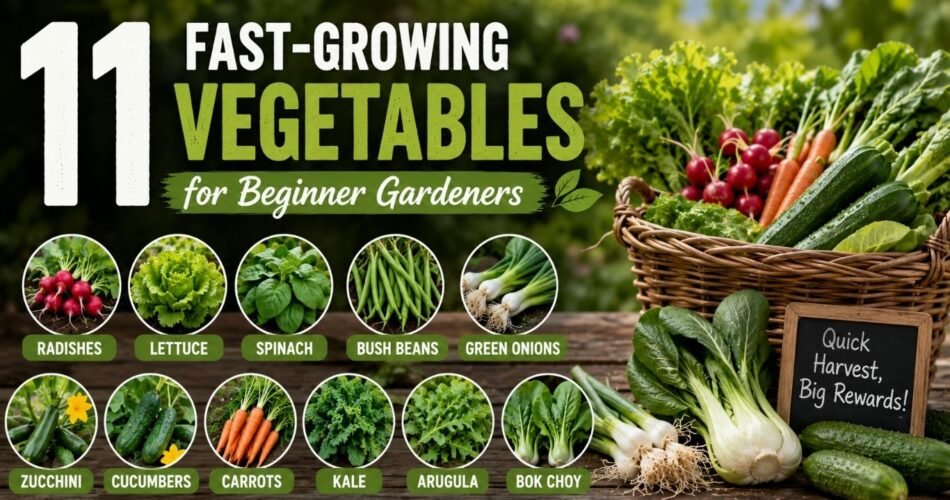
This guide covers 11 fast-growing vegetables for beginner gardeners — the ones that actually work, even if you’ve never grown anything before. I’ve grown all of these myself, and I’ll walk you through everything you need to know: planting times, soil needs, watering schedules, common mistakes, and harvesting tips that make a real difference.
Before we dive in, if you’re still figuring out which direction to take your garden, this resource on what vegetables to plant for a successful garden is a great starting point for planning your layout and choosing crops that work well together.
Why Fast-Growing Vegetables Are Perfect for Beginners
Starting with quick-growing vegetables gives you something that slow-maturing crops simply can’t: early wins. Seeing radishes pop up in a week or harvesting a bowl of lettuce within a month builds the confidence to keep going. Fast crops also allow you to learn from mistakes without waiting an entire season to see the results.
These vegetables tend to be forgiving, adaptable to different growing conditions, and productive even in small spaces. Many of them are ideal for container gardening, succession planting, and small home vegetable gardens where space is limited but the desire to grow food is strong.
Let’s get into each one.
1. Radishes
Why Radishes Are Ideal for Beginners
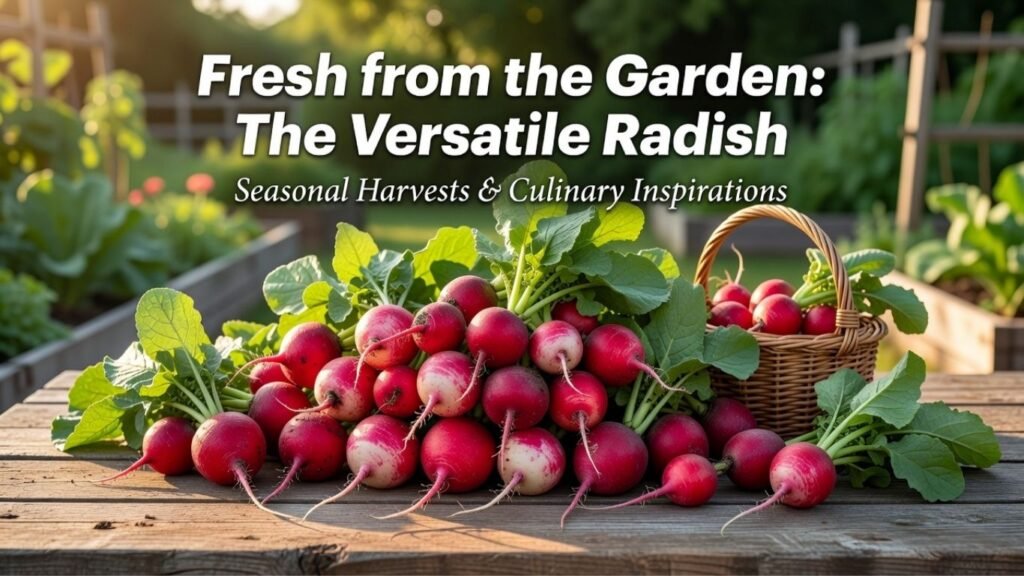
Radishes are arguably the easiest and fastest vegetable you can grow. They go from seed to table in as little as 22 days with almost no fuss. They’re an excellent “gap filler” crop — you can tuck them in between slower-growing plants to use space efficiently. For beginners, the quick payoff is incredibly motivating.
- Days to germination: 3–7 days
- Days to harvest: 22–30 days
- Best planting season: Early spring and fall
- USDA hardiness zones: Zones 2–10 (cool-season crop)
- Sunlight requirements: Full sun to partial shade (6 hours minimum)
- Soil type and pH: Loose, well-draining soil; pH 6.0–7.0
- Watering schedule: 1 inch per week; keep soil consistently moist but never waterlogged
- Container suitability: Yes — containers at least 6 inches deep work well
- Companion plants: Lettuce, carrots, nasturtiums, peas
- Common pests and diseases: Flea beetles, root maggots, clubroot
- Harvesting tips: Pull radishes as soon as they reach the size of a marble to golf ball. Leave them too long and they turn pithy and spicy to the point of being unpleasant.
- Common mistakes: Planting in hot weather (they bolt), planting too deep, and overcrowding
2. Lettuce
Why Lettuce Is Ideal for Beginners
Lettuce is one of those crops that practically grows itself. It thrives in cool weather, tolerates light frost, and can be harvested multiple times from the same plant using the “cut-and-come-again” method. Loose-leaf varieties like Black Seeded Simpson or Oak Leaf are especially forgiving and fast.
- Days to germination: 2–8 days
- Days to harvest: 30–60 days (loose-leaf is faster)
- Best planting season: Early spring, fall, or winter in mild climates
- USDA hardiness zones: Zones 4–9; cool-season crop
- Sunlight requirements: Partial shade to full sun (3–6 hours); afternoon shade in warmer areas helps
- Soil type and pH: Fertile, well-drained loamy soil; pH 6.0–7.0
- Watering schedule: 1–1.5 inches per week; water consistently to prevent bitterness
- Container suitability: Excellent — shallow containers (6–8 inches deep) work perfectly
- Companion plants: Carrots, radishes, chives, strawberries
- Common pests and diseases: Aphids, slugs, downy mildew, tip burn
- Harvesting tips: Harvest outer leaves first and let the center keep growing. For head lettuce, cut the whole head when firm.
- Common mistakes: Planting in summer heat (causes bolting and bitter flavor), overwatering, and underwatering
3. Spinach
Why Spinach Is Ideal for Beginners
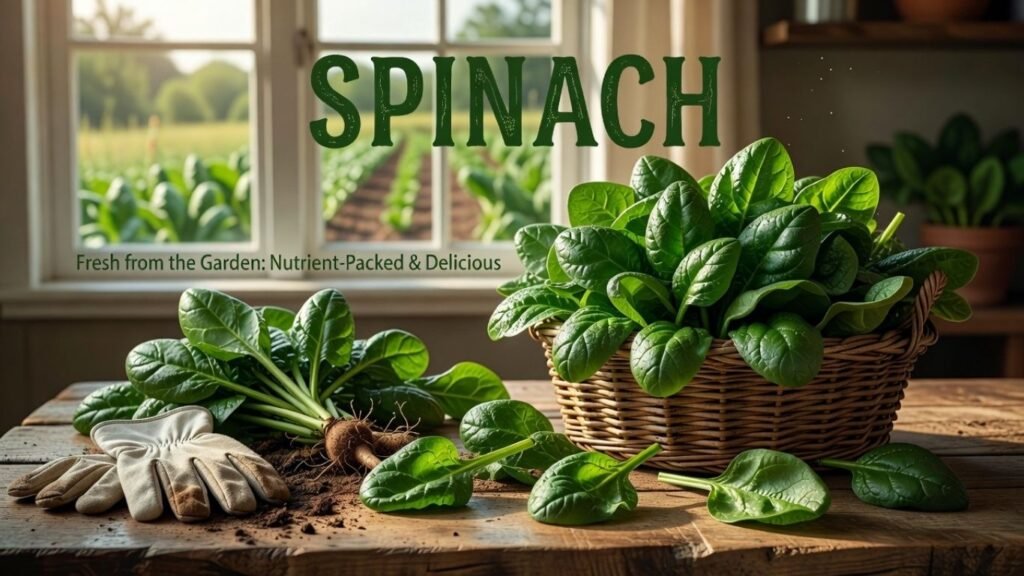
Spinach is a powerhouse crop that grows quickly in cool weather and is packed with nutrition. It’s one of those vegetables that gives you an impressive harvest from a small amount of space. Like lettuce, it can be harvested repeatedly, which means one planting keeps producing for weeks.
- Days to germination: 5–10 days
- Days to harvest: 40–50 days
- Best planting season: Early spring or fall
- USDA hardiness zones: Zones 3–9; tolerates light frost
- Sunlight requirements: Full sun to partial shade (4–6 hours)
- Soil type and pH: Rich, moisture-retaining soil; pH 6.5–7.5
- Watering schedule: 1–1.5 inches per week; soil should stay evenly moist
- Container suitability: Yes — use pots at least 8 inches deep
- Companion plants: Strawberries, peas, beans, garlic
- Common pests and diseases: Leaf miners, aphids, downy mildew, bolting in heat
- Harvesting tips: Pick outer leaves when they’re at least 3 inches long. Avoid stripping the center growth point or the plant stops producing.
- Common mistakes: Planting in summer, allowing soil to dry out, harvesting too aggressively at once
4. Green Onions (Scallions)
Why Green Onions Are Ideal for Beginners
Green onions (also called scallions or spring onions) are one of the most low-maintenance crops you can grow. They take up almost no space, grow in containers with ease, and can even be regrown from kitchen scraps in a glass of water. They’re perfect for anyone who wants to start small and simple.
- Days to germination: 7–14 days
- Days to harvest: 60–70 days from seed; faster if using transplants or regrown roots
- Best planting season: Spring and fall; year-round in mild climates
- USDA hardiness zones: Zones 3–10
- Sunlight requirements: Full sun (6 hours)
- Soil type and pH: Well-draining, loamy soil; pH 6.0–7.0
- Watering schedule: 1 inch per week; allow slight drying between waterings
- Container suitability: Excellent — a 6-inch-deep pot or even a recycled plastic bottle works
- Companion plants: Carrots, lettuce, tomatoes, beets
- Common pests and diseases: Onion fly, thrips, downy mildew
- Harvesting tips: Harvest when stems are about pencil-thick. Cut at the base or pull the whole plant. Leave the roots in soil and they’ll often regrow.
- Common mistakes: Overwatering (causes rot), planting too close together, letting bulbs become too mature and tough
5. Bush Beans
Why Bush Beans Are Ideal for Beginners
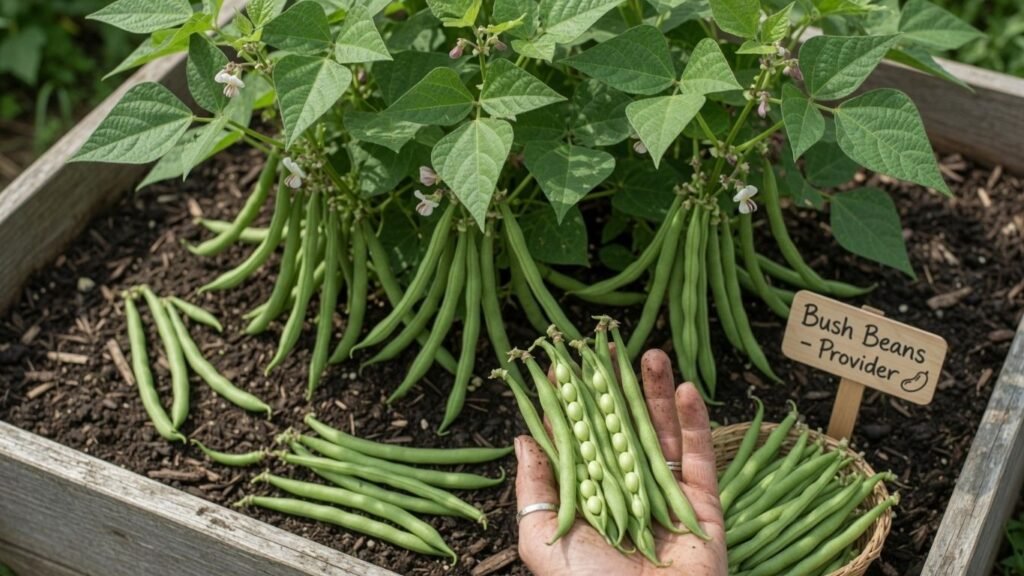
Unlike pole beans, bush beans don’t need staking or trellising. They grow in a compact mound, produce heavily over a relatively short period, and are very forgiving of imperfect conditions. They’re one of the most satisfying quick-growing vegetables for a beginner garden because you often get an enormous harvest from just one planting.
- Days to germination: 7–10 days
- Days to harvest: 50–60 days
- Best planting season: Late spring to early summer after last frost
- USDA hardiness zones: Zones 3–10
- Sunlight requirements: Full sun (6–8 hours)
- Soil type and pH: Loose, well-drained soil; pH 6.0–7.0
- Watering schedule: 1 inch per week; water at the base to avoid fungal issues
- Container suitability: Yes — use containers at least 12 inches deep and wide
- Companion plants: Carrots, cucumbers, squash; avoid planting near onions or fennel
- Common pests and diseases: Mexican bean beetle, aphids, bean mosaic virus
- Harvesting tips: Pick pods when they’re firm and snap cleanly — before the seeds inside bulge out. The more you pick, the more the plant produces.
- Common mistakes: Planting too early in cold soil, overwatering, and waiting too long to harvest
6. Cucumbers
Why Cucumbers Are Ideal for Beginners
Few vegetables are as rewarding to grow as cucumbers. Once they get going in warm weather, they produce abundantly and almost seem to double in size overnight. Bush varieties like Spacemaster or Salad Bush are especially well-suited for containers and small gardens. If you’re just getting started and want something impressive, cucumbers are a great choice.
- Days to germination: 7–10 days
- Days to harvest: 50–70 days
- Best planting season: Late spring to early summer (soil should be 60°F or warmer)
- USDA hardiness zones: Zones 4–11
- Sunlight requirements: Full sun (6–8 hours)
- Soil type and pH: Fertile, well-draining soil rich in organic matter; pH 6.0–6.8
- Watering schedule: 1–2 inches per week; consistent moisture is key to avoiding bitter cucumbers
- Container suitability: Yes — use a 5-gallon or larger container; add a small trellis
- Companion plants: Beans, dill, peas, sunflowers; avoid planting near sage or potatoes
- Common pests and diseases: Cucumber beetles, aphids, powdery mildew, bacterial wilt
- Harvesting tips: Harvest when cucumbers are 6–8 inches long and dark green. Overripe cucumbers slow down production dramatically.
- Common mistakes: Inconsistent watering (leads to bitterness), leaving overgrown cucumbers on the vine, planting in cold soil
7. Peas
Why Peas Are Ideal for Beginners
Peas are a cool-season crop that love chilly mornings and mild days — the kind of weather most gardeners get in early spring. They’re one of the few fast-growing vegetables that actually improve your soil by fixing nitrogen. Sugar snap peas, in particular, are delicious straight off the vine and require almost no processing before eating.
- Days to germination: 7–14 days
- Days to harvest: 60–70 days
- Best planting season: Early spring (4–6 weeks before last frost) or fall
- USDA hardiness zones: Zones 3–11 (cool-season)
- Sunlight requirements: Full sun (6 hours minimum)
- Soil type and pH: Well-draining soil with good organic matter; pH 6.0–7.5
- Watering schedule: 1 inch per week; avoid overhead watering to prevent mildew
- Container suitability: Yes — dwarf varieties work well in 8–12 inch deep pots with a small trellis
- Companion plants: Carrots, radishes, spinach, mint; avoid planting near onions or garlic
- Common pests and diseases: Pea moth, aphids, powdery mildew, fusarium wilt
- Harvesting tips: For snap peas, harvest when pods are plump and firm. For shelling peas, wait until pods are rounded but still bright green.
- Common mistakes: Planting too late (they hate heat), overwatering in poorly drained soil, not providing support for climbing varieties
8. Zucchini (Summer Squash)
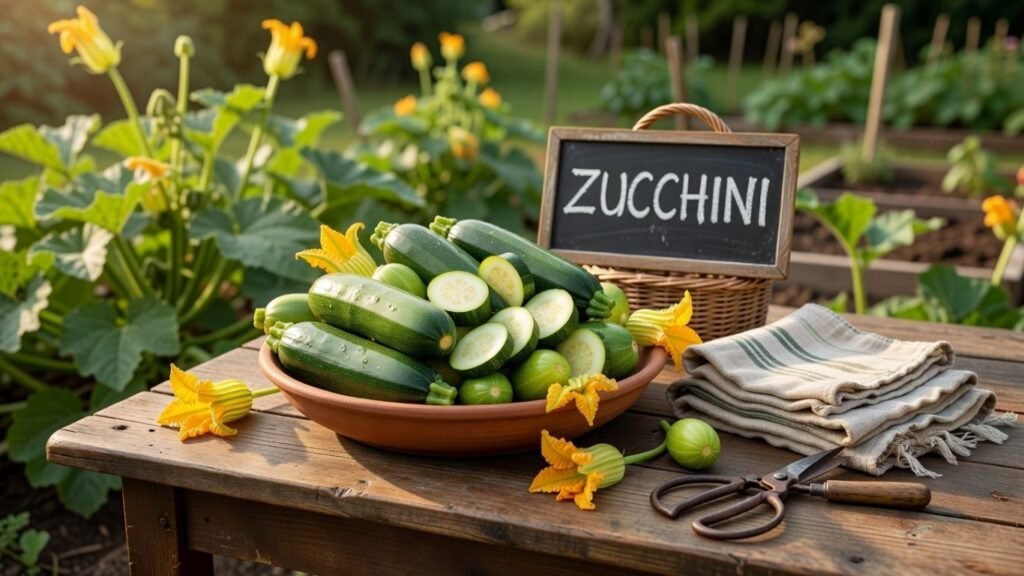
Why Zucchini Is Ideal for Beginners
Zucchini has a reputation among experienced gardeners for being almost too productive — if you’ve ever grown it, you know what it’s like to have more zucchini than you know what to do with. For beginners, that’s actually a good thing. It practically guarantees success. One or two plants are usually enough for a family of four.
- Days to germination: 7–10 days
- Days to harvest: 50–65 days
- Best planting season: Late spring to early summer after last frost
- USDA hardiness zones: Zones 3–10
- Sunlight requirements: Full sun (6–8 hours)
- Soil type and pH: Rich, well-draining soil with compost; pH 6.0–7.5
- Watering schedule: 1–2 inches per week; water at the base to prevent fungal issues
- Container suitability: Yes — use a 5-gallon or larger container; bush varieties work best
- Companion plants: Corn, beans, nasturtiums, marigolds
- Common pests and diseases: Squash vine borer, cucumber beetles, powdery mildew
- Harvesting tips: Pick zucchini when it’s 6–8 inches long. Larger doesn’t mean better — overripe zucchini are seedy and bland.
- Common mistakes: Planting too many plants, not hand-pollinating when bees are scarce, underwatering in hot weather
9. Arugula
Why Arugula Is Ideal for Beginners
Arugula is one of the fastest salad greens you can grow, and it’s incredibly flavorful — peppery and slightly nutty in a way that makes any salad feel gourmet. It grows in a wide range of conditions, tolerates light frost, and can be harvested repeatedly. If you want fresh greens fast without a lot of effort, arugula is your answer.
- Days to germination: 5–7 days
- Days to harvest: 21–40 days (baby greens can be harvested even earlier)
- Best planting season: Early spring, fall, or mild winters
- USDA hardiness zones: Zones 3–10
- Sunlight requirements: Partial shade to full sun (3–6 hours; afternoon shade prevents bolting)
- Soil type and pH: Fertile, well-drained soil; pH 6.0–7.0
- Watering schedule: 1 inch per week; consistent moisture keeps leaves tender
- Container suitability: Excellent — shallow containers (5–6 inches deep) are perfectly fine
- Companion plants: Spinach, lettuce, beets, herbs
- Common pests and diseases: Flea beetles (the most common issue), aphids, clubroot
- Harvesting tips: Snip leaves when they’re about 2–3 inches long for mild flavor. The more mature the leaves, the more intense the peppery bite.
- Common mistakes: Letting it bolt in warm weather (harvest often to delay bolting), planting in summer, ignoring flea beetle damage
10. Kale
Why Kale Is Ideal for Beginners
Kale is one of the toughest, most cold-tolerant vegetables you can grow — frost actually improves its flavor by converting starches to sugars. It’s incredibly nutritious, grows in a wide range of climates, and can be harvested over a very long season. Varieties like Red Russian or Dwarf Blue Curled are especially beginner-friendly.
- Days to germination: 5–8 days
- Days to harvest: 55–75 days (baby kale can be harvested sooner)
- Best planting season: Spring or fall; can overwinter in mild climates
- USDA hardiness zones: Zones 7–10 year-round; Zones 3–6 as a spring or fall crop
- Sunlight requirements: Full sun to partial shade (4–6 hours)
- Soil type and pH: Rich, well-draining soil; pH 6.0–7.5
- Watering schedule: 1–1.5 inches per week
- Container suitability: Yes — use containers at least 12 inches deep
- Companion plants: Beets, celery, herbs, garlic; avoid planting near strawberries
- Common pests and diseases: Cabbage worms, aphids, harlequin bugs, black leg
- Harvesting tips: Pick outer leaves first, working from the bottom up. Always leave at least 4–5 inner leaves so the plant keeps producing.
- Common mistakes: Harvesting too much at once, not removing caterpillars by hand early on, planting in overly acidic soil
11. Swiss Chard
Why Swiss Chard Is Ideal for Beginners
Swiss chard is one of those underrated vegetables that deserves much more attention in the beginner vegetable garden. It tolerates both heat and cold, grows quickly, and produces stunning, colorful stalks (especially Rainbow Chard) that look as good as they taste. It’s essentially a two-season crop — you can plant it in spring and keep harvesting well into fall.
- Days to germination: 5–7 days
- Days to harvest: 50–60 days
- Best planting season: Spring through early fall
- USDA hardiness zones: Zones 6–10; tolerates light frost
- Sunlight requirements: Full sun to partial shade (4–6 hours)
- Soil type and pH: Fertile, well-draining soil; pH 6.0–8.0 (very adaptable)
- Watering schedule: 1–1.5 inches per week
- Container suitability: Yes — containers at least 8–12 inches deep work well
- Companion plants: Beans, onions, herbs, cabbage family
- Common pests and diseases: Leaf miners, aphids, slugs, cercospora leaf spot
- Harvesting tips: Cut outer stalks when they’re 8–10 inches tall, leaving the inner rosette to keep growing. The plant will produce all season long.
- Common mistakes: Harvesting the center growth (kills the plant), planting in soggy soil, not thinning seedlings enough
Expert Tips to Speed Up Growth and Maximize Your Harvest
Start with Quality Soil (This Matters More Than Most People Think)
The single biggest thing you can do to grow vegetables faster is improve your soil before you plant. Mix in 2–3 inches of finished compost before every planting season. Good soil has structure, drains well, and feeds your plants steadily without you having to do much else. If your native soil is clay-heavy or sandy, consider building a simple raised bed filled with a blend of topsoil, compost, and perlite.
Use Succession Planting to Extend Your Harvest
Instead of planting all your lettuce, radishes, or arugula at once, sow small batches every 2–3 weeks. This is called succession planting, and it means you’ll have something to harvest nearly every week rather than a massive glut followed by nothing. It’s one of the smartest strategies for a productive vegetable garden, regardless of garden size.
For example, plant a row of radishes on the first of the month, another row two weeks later, and a third two weeks after that. By the time the first row is done, the second is ready, and so on. Simple and effective.
Warm Your Soil Before Planting
Warm-season crops like cucumbers, zucchini, and beans grow noticeably faster in warm soil. Cover your beds with black plastic mulch or a cloche (a simple plastic tunnel) a week or two before planting to pre-warm the soil. This can shave 1–2 weeks off your time to harvest in cooler climates.
Water Consistently, Not Excessively
One of the most common beginner mistakes is irregular watering — either forgetting to water or compensating by overwatering. Both stress plants and slow growth. Invest in a simple drip irrigation system or set a reminder to water at the same time every morning. Watering in the morning allows foliage to dry by midday, which dramatically reduces fungal disease issues.
Feed Plants at the Right Time
Most fast-growing leafy vegetables appreciate a light dose of balanced fertilizer (10-10-10 or a fish emulsion) a few weeks after germination. Fruiting crops like cucumbers and zucchini benefit from a switch to a low-nitrogen, higher phosphorus and potassium fertilizer once flowering begins. Over-fertilizing with nitrogen makes plants leafy but delays fruit production.
Maximize Small Spaces with Vertical Growing
Even in a tiny garden, you can grow significantly more by training cucumbers, peas, and beans up a simple trellis, fence, or netting. Vertical growing improves airflow (reducing disease), makes harvesting easier, and frees up ground space for low-growing crops like lettuce and radishes underneath.
Succession Planting and Extending Your Harvest Season
If you want your garden to produce from early spring all the way through late fall, you need a plan. Here’s a simple framework:
Early Spring (Cool Season): Start with radishes, lettuce, spinach, arugula, and peas. These thrive in cool temperatures and many will be done before summer heat arrives.
Late Spring to Early Summer (Warm Season): Transition to beans, cucumbers, zucchini, and green onions. Plant these after your last frost date when soil has warmed.
Mid to Late Summer: Sow a second round of fast cool-season crops like lettuce, arugula, kale, and spinach. They’ll mature as temperatures cool in fall and often last well into November in many regions.
Fall and Winter (Mild Climates): In zones 7 and above, you can continue growing kale, Swiss chard, spinach, and arugula through winter with minimal protection. A simple cold frame or row cover extends your season by 4–6 weeks even in colder regions.
For those interested in growing food year-round, it’s worth learning about 9 survival crops that feed you year-round — crops that go beyond the seasonal garden and can provide food security through all four seasons.
Growing Fast Vegetables in Containers: What You Need to Know
Container gardening is a game-changer for people with limited space, and most of the vegetables on this list grow perfectly well in pots. Here are the key principles:
Choose the right container size. Leafy greens like lettuce, arugula, and spinach do fine in shallow containers (6–8 inches deep). Deeper-rooted crops and fruiting vegetables need more volume — at least a 5-gallon container for cucumbers, zucchini, and beans.
Use a quality potting mix. Never use garden soil in containers — it compacts too much and drains poorly. A good potting mix with perlite for drainage is worth the investment.
Water more frequently than in-ground plants. Containers dry out faster, especially in summer. Check soil moisture daily by sticking your finger an inch into the soil. If it’s dry, water thoroughly.
Feed regularly. Container plants can’t access nutrients beyond what’s in the pot, so a light dose of balanced liquid fertilizer every 2–3 weeks during the growing season makes a real difference.
Place containers strategically. South-facing patios, balconies, and decks typically get the most sun. If your containers are mobile, move them to follow the light as the season changes.
FAQ: Fast-Growing Vegetables for Beginner Gardeners
What is the fastest vegetable to grow from seed?
Radishes are the fastest vegetable you can grow from seed, typically ready to harvest in just 22–30 days. Arugula and lettuce (as baby greens) are close runners-up, often ready for their first harvest within 21–30 days of sowing.
Can I grow fast-growing vegetables indoors?
Yes. Lettuce, arugula, spinach, green onions, and radishes all grow well indoors under grow lights. You’ll need at least 14–16 hours of artificial light per day or a south-facing windowsill with strong natural light. Fruiting crops like cucumbers and zucchini are much harder to grow successfully indoors due to their light and pollination requirements.
What’s the easiest vegetable to grow for a complete beginner?
Radishes and lettuce are generally considered the easiest vegetables for beginners because they germinate quickly, grow in a wide range of conditions, tolerate minor mistakes, and produce results fast. If you want a single recommendation, start with loose-leaf lettuce — it’s practically foolproof.
How do I prevent my vegetables from bolting in summer?
Bolting (when a plant flowers and goes to seed prematurely) happens when cool-season crops experience too much heat. To prevent it: plant cool-season crops early in spring or in fall, provide afternoon shade during warm spells, mulch around plants to keep soil cool, and harvest regularly. Some bolt-resistant varieties are also available for lettuce and spinach.
Can all of these vegetables grow in the same garden bed?
Many of them can, especially if you practice companion planting thoughtfully. Lettuce, radishes, spinach, and arugula grow well together in a cool-season bed. Beans, cucumbers, and zucchini go well in a warm-season bed. Avoid planting onions near beans or peas, and keep fennel away from almost everything (it’s allelopathic — it inhibits the growth of nearby plants).
How much space do I need to grow these vegetables?
A 4×8 foot raised bed can support a surprisingly productive beginner garden. You can grow lettuce, spinach, radishes, arugula, and a few green onions in a single bed. For cucumbers and zucchini, you’ll need a bit more space or a larger container, but even a 10×10 foot plot can produce all 11 vegetables on this list with thoughtful spacing.
Is it worth starting seeds indoors, or should I direct sow?
For the vegetables on this list, most do just as well — or better — when direct sown (planted straight into the garden). Radishes, arugula, spinach, lettuce, peas, beans, and zucchini all prefer direct sowing since they don’t transplant well. Green onions can be started indoors 8–10 weeks before the last frost. Cucumbers and kale can be started indoors 3–4 weeks before transplanting if you want a head start.
Key Takeaways
- The 11 fast-growing vegetables for beginner gardeners covered in this guide — radishes, lettuce, spinach, green onions, bush beans, cucumbers, peas, zucchini, arugula, kale, and Swiss chard — are all beginner-friendly, rewarding, and productive.
- The fastest options (radishes, arugula, lettuce) can be harvested within 21–40 days of sowing, while even the slower picks on this list mature within 70 days.
- Cool-season crops (radishes, lettuce, spinach, peas, arugula, kale) perform best in spring and fall. Warm-season crops (beans, cucumbers, zucchini) need warm soil and frost-free conditions.
- Succession planting is the most effective strategy for keeping fresh vegetables on your table all season long without overwhelming yourself with a single giant harvest.
- All 11 vegetables on this list are container-friendly, making them perfect for balconies, patios, and small urban gardens.
- Investing in good soil, consistent watering, and proper sunlight will do more to speed up your vegetable garden than any product or trick.
Final Thoughts
Starting a vegetable garden doesn’t have to be complicated or frustrating. The 11 fast-growing vegetables in this guide were chosen specifically because they’re forgiving, quick to reward, and well-suited to beginners who want results without a long learning curve.
Start with one or two crops that excite you — maybe a pot of lettuce on your balcony or a row of radishes in a raised bed. Watch them grow. Learn what they need. Adjust based on what you observe. That’s genuinely how experienced gardeners develop their skills: one crop at a time, one season at a time.
Once you’ve got a few quick wins under your belt, you’ll naturally start thinking bigger — more crops, more techniques, more seasons. If you’re ready to explore beyond the basics, check out this guide on 8 easy vegetables to grow for beginner gardeners for even more options that fit the beginner-friendly profile.
The most productive vegetable garden isn’t the biggest one or the most expensive one. It’s the one you actually tend to, learn from, and keep coming back to. Start simple, stay consistent, and enjoy every bite of what you grow.