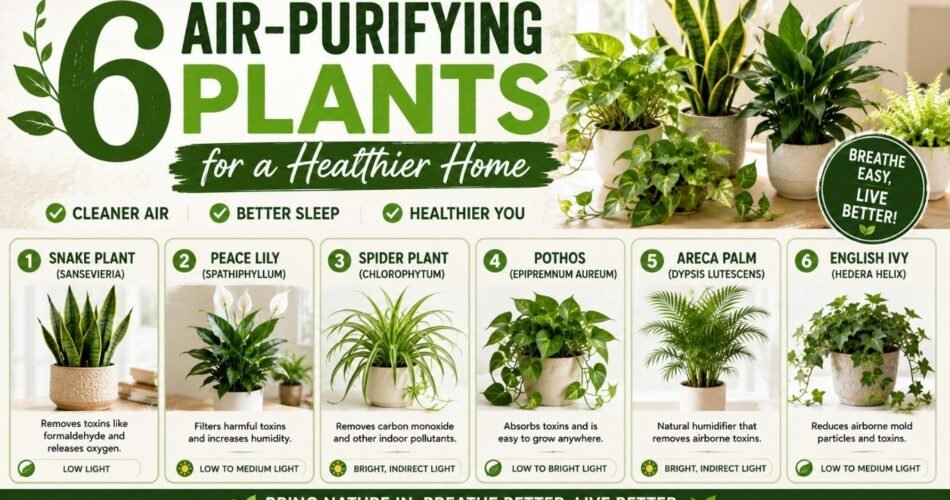
There’s something deeply satisfying about bringing plants indoors. Whether it’s the soft green of a trailing pothos or the architectural beauty of a snake plant sitting in the corner, houseplants have a way of making a space feel alive. Over the years, I’ve kept dozens of different plants inside my home, and I can say with confidence — they genuinely change how a room feels.
Beyond aesthetics, indoor plants offer some real, well-documented benefits. Studies, including NASA’s well-known Clean Air Study, have shown that certain houseplants can help reduce levels of common indoor pollutants like benzene, formaldehyde, and trichloroethylene. While it’s important not to overstate what plants can do — you’d need a significant number of plants per square foot to replicate laboratory conditions — research does suggest that even a few strategically placed houseplants can contribute to a fresher indoor environment.
What’s equally important is the psychological side of things. Numerous studies have found that being around plants reduces cortisol levels (the stress hormone), improves focus, and can even enhance mood. If you’ve ever felt calmer sitting near a window full of greenery, that’s not just your imagination.
This guide walks you through six of the best air-purifying plants for your home — plants I’ve personally grown and that real gardeners rely on. I’ll cover everything from care schedules to common mistakes, so whether you’re a complete beginner or someone looking to expand their indoor garden, you’ll find practical, honest advice here.
Why Indoor Plants Matter More Than You Think
Modern homes are often more sealed than older buildings. Energy-efficient windows, insulation, and synthetic building materials can trap pollutants inside. Common indoor air pollutants come from cleaning products, furniture off-gassing, paint, and even cooking. While mechanical air purifiers are effective, plants offer a natural, visually pleasing complement to your overall indoor air quality strategy.
Here’s what indoor plants genuinely do well:
- Absorb carbon dioxide and release oxygen during photosynthesis
- Transpire moisture through their leaves, naturally adding humidity to dry indoor air
- Reduce dust by acting as a physical barrier that traps airborne particles
- Improve mood and focus, backed by multiple peer-reviewed psychological studies
- Add beauty and warmth to any living space
Now, let’s get into the plants themselves.
The 6 Best Air Purifying Plants for Your Home
1. Snake Plant (Sansevieria trifasciata)
Plant Overview
The snake plant — also called mother-in-law’s tongue — is one of those plants that genuinely thrives on neglect. With its tall, sword-shaped leaves edged in yellow or silver, it’s both striking and incredibly low maintenance. I’ve had one sitting in a dim hallway for three years, and it continues to look sharp (pun intended).
Why It’s a Great Indoor Plant
Snake plants are practically indestructible. They tolerate low light, irregular watering, and drafty rooms. If you’re new to houseplants or simply don’t have much time for plant care, the snake plant is your best friend.
Air-Quality and Environmental Benefits
Snake plants are one of the few plants that continue to convert carbon dioxide into oxygen at night, making them a popular choice for bedrooms. Research from NASA’s clean air study identified them as effective at filtering airborne toxins including formaldehyde, benzene, trichloroethylene, and xylene. They also release moisture into the air, which can help with dry indoor environments during winter months.
Light Requirements
Snake plants are extremely adaptable. They do best in indirect bright light but can tolerate low light conditions. Avoid direct, harsh afternoon sunlight, which can scorch the leaves.
Watering Schedule
This is where most people go wrong — they overwater snake plants. Water every 2–6 weeks, depending on the season and how dry your home is. Always let the soil dry out completely between waterings. In winter, once a month is usually enough.
Ideal Temperature and Humidity
Snake plants prefer temperatures between 60–80°F (15–27°C). They’re fine in average household humidity and don’t require misting. Avoid temperatures below 50°F (10°C).
Best Soil Type
Use a well-draining succulent or cactus mix. Regular potting soil tends to hold too much moisture and can lead to root rot — the snake plant’s number one enemy.
Fertilizer Needs
Feed with a balanced, diluted liquid fertilizer once in spring and once in summer. That’s genuinely all it needs. Over-fertilizing can cause the tips to brown.
Common Problems and Solutions
| Problem | Likely Cause | Solution |
|---|---|---|
| Yellow leaves | Overwatering | Allow soil to dry fully before next watering |
| Brown leaf tips | Low humidity or fluoride in tap water | Use filtered water; mist occasionally |
| Root rot | Waterlogged soil | Repot in fresh, well-draining mix |
| Pale, washed-out leaves | Too much direct sun | Move to a spot with indirect light |
Pet Safety
⚠️ Toxic to cats and dogs. Snake plants contain saponins, which can cause nausea, vomiting, and diarrhea in pets. Keep out of reach of curious animals.
Beginner-Friendly Care Tips
- When in doubt, don’t water. Snake plants are far more forgiving of underwatering than overwatering.
- Plant in a pot with drainage holes — no exceptions.
- Wipe the leaves occasionally with a damp cloth to remove dust and allow the plant to breathe better.
Best Location in the Home
Bedroom or hallway. The snake plant’s ability to produce oxygen at night makes it ideal for sleeping spaces. It also looks great as a tall accent piece in corners.
2. Peace Lily (Spathiphyllum wallisii)
Plant Overview
The peace lily is one of my all-time favorites — it’s elegant, forgiving, and it actually tells you when it needs water. The leaves begin to droop slightly when the plant is thirsty, then perk right back up after a good drink. That kind of feedback makes it incredibly easy to care for.
Why It’s a Great Indoor Plant
Peace lilies bloom with beautiful white spathes (modified leaves that look like flowers), adding a sophisticated look to any room. They’re also one of the few flowering plants that thrive in lower light conditions.
Air-Quality and Environmental Benefits
According to NASA’s clean air research, peace lilies are among the top performers for filtering indoor air. They’re effective at reducing levels of ammonia, benzene, formaldehyde, and trichloroethylene — all common household pollutants. They also raise humidity levels through transpiration, which can help with dry skin and respiratory comfort during winter.
Light Requirements
Peace lilies prefer low to medium indirect light. They’ll tolerate shade better than most flowering plants, but they bloom more readily with a bit more brightness. Never place them in direct sunlight — it scorches the leaves quickly.
Watering Schedule
Water once a week during spring and summer, and every 10–14 days in fall and winter. Wait for the plant to give you that signature slight droop as a watering cue. Always use room-temperature water, as cold water can shock the roots.
Ideal Temperature and Humidity
Peace lilies love warmth and humidity — temperatures between 65–85°F (18–30°C) are ideal. They thrive in bathrooms and kitchens where humidity is naturally higher. Misting the leaves occasionally helps in dry climates.
Best Soil Type
Use a rich, well-draining potting mix with added perlite for drainage. Peace lilies like moisture but not soggy roots.
Fertilizer Needs
Feed with a balanced liquid fertilizer every 6–8 weeks during the growing season (spring through early fall). Avoid over-fertilizing, as it can prevent blooming and cause leaf burn.
Common Problems and Solutions
| Problem | Likely Cause | Solution |
|---|---|---|
| Brown leaf tips | Low humidity or fluoride toxicity | Use filtered water; increase humidity |
| No blooms | Insufficient light | Move to a brighter spot (still indirect) |
| Yellow leaves | Overwatering or root rot | Check roots; reduce watering frequency |
| Drooping leaves | Underwatering | Water immediately; it will recover fast |
Pet Safety
⚠️ Toxic to cats and dogs. Peace lilies contain calcium oxalate crystals that can cause mouth irritation, drooling, and difficulty swallowing in pets.
Beginner-Friendly Care Tips
- Don’t panic when it droops — it’s just telling you it’s thirsty.
- Repot every 1–2 years to prevent root binding.
- Wipe dusty leaves with a damp cloth to help the plant absorb light more effectively.
Best Location in the Home
Bathroom or bedroom. The peace lily loves humidity and filtered light — a bathroom windowsill is ideal. It also works beautifully as a bedside table plant.
3. Pothos (Epipremnum aureum)
Plant Overview
If there’s one plant I recommend to absolutely everyone, it’s pothos. Also known as devil’s ivy (because it refuses to die), pothos is a trailing vine with heart-shaped leaves that come in shades of green, yellow, and white variegation. I have one trailing across a bookshelf in my living room, and it’s grown over four feet long in less than two years with minimal effort.
Why It’s a Great Indoor Plant
Pothos is forgiving to the point of being almost embarrassing. It survives in low light, tolerates irregular watering, and grows quickly — giving you that satisfying sense of progress. It also propagates effortlessly in water, so you can easily grow more plants for free.
Just like understanding how companion planting works outdoors (as discussed in our guide on Best Companion Plants for Broccoli), pairing pothos with other indoor plants can create a visually layered, complementary indoor garden where different plants support each other aesthetically and environmentally.
Air-Quality and Environmental Benefits
Pothos has been shown in multiple studies to absorb carbon monoxide, formaldehyde, benzene, and toluene from indoor air. It’s particularly good at filtering air near carpets and furniture, which are common sources of off-gassing. It also acts as a natural humidifier through its transpiration process.
Light Requirements
Pothos adapts to a wide range of light conditions — from low light to bright indirect light. However, variegated varieties (like golden pothos) need more light to maintain their yellow coloring. Avoid direct sunlight, which can bleach the leaves.
Watering Schedule
Water every 1–2 weeks, allowing the top inch of soil to dry between waterings. The leaves will start to look slightly limp when thirsty — a useful visual cue. In winter, back off to every 2–3 weeks.
Ideal Temperature and Humidity
Pothos is comfortable in 60–85°F (15–29°C) and average household humidity. It’s not picky, which is part of what makes it so beginner-friendly.
Best Soil Type
A standard indoor potting mix works perfectly. Adding a bit of perlite improves drainage and helps prevent root rot.
Fertilizer Needs
Feed with a balanced liquid fertilizer once a month during spring and summer. You can skip fertilizing entirely in fall and winter when growth naturally slows.
Common Problems and Solutions
| Problem | Likely Cause | Solution |
|---|---|---|
| Yellow leaves | Overwatering | Let soil dry out; improve drainage |
| Leggy, sparse growth | Too little light | Move to brighter indirect light |
| Brown, crispy tips | Low humidity or underwatering | Mist leaves; water more regularly |
| Root rot | Poor drainage | Repot in fresh mix with better drainage |
Pet Safety
⚠️ Toxic to cats and dogs. Pothos contains insoluble calcium oxalates that cause oral irritation, excessive drooling, and vomiting in pets.
Beginner-Friendly Care Tips
- Propagate in water by snipping a stem just below a node — you’ll have roots within a week or two.
- Clean dusty leaves with a damp cloth to keep them absorbing light efficiently.
- Don’t be afraid to cut back long vines — it encourages bushier, fuller growth.
Best Location in the Home
Living room, office, or kitchen. Pothos looks stunning trailing from a high shelf or hanging basket. It’s also a great plant for home offices since it can tolerate artificial lighting reasonably well.
4. Spider Plant (Chlorophytum comosum)
Plant Overview
Spider plants are cheerful, arching plants with long, ribbon-like leaves — often striped green and white — that produce cascading “spiderettes” (baby plants) on long stems. They’ve been a staple of household gardening for generations, and for good reason.
Why It’s a Great Indoor Plant
Spider plants are nearly impossible to kill. They tolerate irregular watering, lower light, and even some degree of neglect. They also grow quickly, producing adorable little plantlets that you can propagate and give away as gifts — which is always a nice bonus.
Air-Quality and Environmental Benefits
Spider plants are exceptional at absorbing carbon monoxide, formaldehyde, and xylene from indoor air. Research has also shown that they can absorb around 95% of carbon monoxide in a sealed chamber over 24 hours — though real-world results will vary. They also release oxygen and moisture into the air, contributing to a more comfortable indoor environment.
Light Requirements
Spider plants prefer bright to medium indirect light, but they’ll manage in lower light conditions. Direct sun can scorch and fade the leaf variegation.
Watering Schedule
Water once a week in spring and summer, reducing to every 10–14 days in fall and winter. Spider plants are somewhat drought-tolerant — they store water in their thick roots — but consistent watering keeps them looking their best.
Ideal Temperature and Humidity
Spider plants prefer 55–80°F (13–27°C) and moderate humidity. They’re fine in average household conditions but appreciate occasional misting in very dry environments.
Best Soil Type
Use a well-draining potting mix. Spider plants aren’t particularly fussy about soil as long as it doesn’t become waterlogged.
Fertilizer Needs
Feed with a balanced, water-soluble fertilizer once a month during spring and summer. Avoid over-fertilizing, which can cause brown leaf tips — a common complaint with spider plants.
Common Problems and Solutions
| Problem | Likely Cause | Solution |
|---|---|---|
| Brown leaf tips | Fluoride in tap water or over-fertilizing | Switch to filtered water; reduce feeding |
| Pale, washed-out leaves | Too much direct sun | Move to indirect light |
| Root bound, stunted growth | Pot too small | Repot into a container one size larger |
| No spiderettes | Not enough light or maturity | Move to brighter light; wait — it takes time |
Pet Safety
✅ Non-toxic to cats and dogs. Spider plants are considered safe for pets, making them a top pick for animal-loving households. (Cats are sometimes attracted to the leaves, so you might still want to keep them out of reach to avoid nibbling.)
Beginner-Friendly Care Tips
- Let the soil dry slightly between waterings to avoid root rot.
- Propagate spiderettes by placing them in water or directly into moist soil — they root quickly.
- If you notice tip browning, switch to distilled or rainwater.
Best Location in the Home
Kitchen, bathroom, or kids’ room. Spider plants look wonderful in hanging baskets near a bright window. Since they’re pet-safe, they’re also a smart choice for homes with curious dogs or cats.
5. Boston Fern (Nephrolepis exaltata)
Plant Overview
Boston ferns are lush, dramatic plants with long, arching fronds filled with tiny leaflets. They bring a kind of tropical, jungle-like feel to any room. I’ll be honest — they’re a bit more demanding than the others on this list, but the payoff in terms of beauty and air quality is absolutely worth it.
Why It’s a Great Indoor Plant
If you want a statement plant that genuinely transforms a room, Boston ferns are hard to beat. Their dense, feathery foliage is visually stunning, and they’re among the most effective plants for improving indoor humidity levels.
Air-Quality and Environmental Benefits
Boston ferns are excellent natural humidifiers. They release significant amounts of moisture into the air through transpiration, which can help relieve dry skin, chapped lips, and sore throats during dry winter months. They also help filter formaldehyde and xylene from indoor air, according to NASA research.
Light Requirements
Boston ferns need bright, indirect light. A window with filtered light — like one covered by a sheer curtain — is ideal. Avoid direct sun, which will quickly dry out and scorch the delicate fronds.
Watering Schedule
Boston ferns need consistently moist soil — water 2–3 times per week in summer and once a week in winter. The key is never letting them completely dry out, but also never leaving them waterlogged. It’s a balance, but once you find it, they thrive.
Ideal Temperature and Humidity
This is where Boston ferns are specific: they prefer temperatures of 60–75°F (15–24°C) and high humidity (above 50%). They struggle in centrally heated homes during winter — misting daily, using a pebble tray with water, or running a humidifier nearby all help significantly.
Best Soil Type
Use a rich, humus-based potting mix with excellent moisture retention. Adding some peat moss or coconut coir helps maintain consistent moisture without waterlogging.
Fertilizer Needs
Feed with a balanced liquid fertilizer diluted to half strength every 2–4 weeks during the growing season. Reduce to monthly in fall and stop entirely in winter.
Common Problems and Solutions
| Problem | Likely Cause | Solution |
|---|---|---|
| Yellowing fronds | Overwatering or poor drainage | Check drainage; let top layer dry slightly |
| Brown, crispy fronds | Low humidity or underwatering | Mist daily; move away from heat vents |
| Dropping leaves (frond shed) | Drafts or temperature fluctuation | Move to a stable, warm location |
| Pale new growth | Insufficient light | Move closer to a filtered light source |
Pet Safety
✅ Non-toxic to cats and dogs. Boston ferns are considered safe for pets, making them a worry-free choice for households with animals.
Beginner-Friendly Care Tips
- Place on a tray filled with pebbles and water to raise the humidity around the plant without wetting the roots.
- Mist the fronds in the morning so the leaves have time to dry before cooler nighttime temperatures.
- If fronds look tired and shaggy, don’t hesitate to give them a trim — it encourages fresh new growth.
Best Location in the Home
Bathroom or living room near a window. The naturally humid bathroom environment suits Boston ferns perfectly. They also look incredible in hanging baskets on a covered porch in mild weather.
6. Rubber Plant (Ficus elastica)
Plant Overview
The rubber plant is a bold, architectural indoor tree with large, glossy leaves that come in deep green, burgundy, or variegated varieties. It can grow into a impressive indoor tree with the right care — I have one that’s now over five feet tall and it genuinely anchors the entire corner of my reading room.
Why It’s a Great Indoor Plant
Rubber plants are striking, fast-growing, and surprisingly easy to care for once you understand their basic needs. They make an excellent statement plant for living rooms, entryways, and bright corners.
Air-Quality and Environmental Benefits
Rubber plants are effective at absorbing airborne pollutants — particularly formaldehyde, which is common in homes with new furniture, flooring, or paint. Their large leaf surface area makes them especially efficient at photosynthesis and air exchange compared to smaller-leaved plants. They also release oxygen and moderate amounts of moisture through transpiration.
Understanding how plant placement affects growth is just as relevant outdoors — if you’ve ever wondered how spacing and companion selection impact plant health, check out this practical guide on Watermelon Plant Spacing in Raised Beds: 7 Mistakes to Avoid. The same principle of giving plants enough room and resources applies indoors too.
Light Requirements
Rubber plants thrive in bright, indirect light. They can adapt to medium light but will grow more slowly and the leaves may lose some of their rich coloring. Variegated varieties especially need more light to maintain their cream and pink markings. Avoid harsh direct midday sun.
Watering Schedule
Water every 1–2 weeks in spring and summer, allowing the top inch of soil to dry out between waterings. In fall and winter, reduce to every 2–3 weeks. Rubber plants are susceptible to both overwatering and sudden changes in their environment.
Ideal Temperature and Humidity
Rubber plants prefer 60–85°F (15–29°C) and moderate humidity. They dislike cold drafts and sudden temperature changes — avoid placing them near air conditioning vents or drafty windows.
Best Soil Type
Use a well-draining potting mix with added perlite or coarse sand. Good drainage is essential — rubber plants don’t tolerate sitting in wet soil.
Fertilizer Needs
Feed with a balanced liquid fertilizer once a month during spring and summer. Reduce to every 6–8 weeks in fall and stop fertilizing in winter when growth slows.
Common Problems and Solutions
| Problem | Likely Cause | Solution |
|---|---|---|
| Yellow leaves | Overwatering | Allow soil to dry; improve pot drainage |
| Leaf drop | Environmental stress or cold drafts | Move to a stable, warm location |
| Brown leaf edges | Low humidity or salt buildup | Flush soil occasionally; increase humidity |
| Leggy growth | Insufficient light | Move to a brighter spot |
Pet Safety
⚠️ Toxic to cats and dogs. Rubber plants produce a milky sap (latex) that can cause skin irritation, vomiting, and drooling in pets. Keep out of reach of animals.
Beginner-Friendly Care Tips
- Wipe leaves with a damp cloth regularly — the large, glossy leaves collect dust quickly, which reduces the plant’s ability to photosynthesize efficiently.
- Don’t move the plant frequently — rubber plants dislike being relocated and may drop leaves as a response.
- Propagate by air layering if you want to create a new plant from an existing stem.
Best Location in the Home
Living room, entryway, or reading room. The rubber plant’s size and drama make it a natural focal point. A bright corner near an east or west-facing window is ideal.
Tips for Choosing the Right Indoor Plant
Not every plant is right for every home — or every lifestyle. Here’s how to choose wisely:
Consider Your Light Conditions First
Walk around your home and note which rooms get bright light, which are dim, and at what times of day light enters. This is the single most important factor in plant success. A peace lily will thrive in a dark hallway; a rubber plant won’t.
Be Honest About Your Schedule
If you travel frequently or tend to forget watering, stick with drought-tolerant plants like snake plants and pothos. If you’re attentive and enjoy nurturing plants, a Boston fern might be a rewarding challenge.
Think About Pets and Children
Several of the plants on this list are toxic to cats and dogs. If you have pets, spider plants and Boston ferns are the safest choices. Always research before buying.
Start Small
Don’t buy six plants at once if you’re a beginner. Start with one or two, learn their needs, and expand from there. Just like knowing which companions work well together in an outdoor garden — as explored in this guide about 6 Plants That Help Lettuce Thrive — building a thoughtful indoor plant collection is about understanding each plant’s needs before adding more.
Match the Plant to the Room
Think about where you spend the most time and where a plant would genuinely improve the space. A bedroom benefits from a snake plant or peace lily. A bright living room is perfect for a rubber plant or pothos.
Common Mistakes When Caring for Houseplants
Even experienced plant parents make these errors. Here’s what to watch out for:
1. Overwatering
This is the number one killer of indoor plants. Most houseplants prefer to dry out slightly between waterings. When in doubt, wait another few days before watering.
2. Wrong Pot Size
Planting in a pot that’s too large holds excess moisture and leads to root rot. Choose a pot only slightly larger than the root ball.
3. Ignoring Drainage
Every pot should have a drainage hole. Water that sits at the bottom of a pot without anywhere to go will rot roots quickly.
4. Using Cold Water
Room-temperature water is best for most tropical houseplants. Cold water can shock roots and cause leaf discoloration.
5. Skipping the Acclimatization Period
When you bring a new plant home, expect some initial adjustment — maybe a few dropped leaves or temporary wilting. Give it 2–4 weeks to settle into its new environment before worrying.
6. Over-fertilizing
More fertilizer doesn’t mean more growth. Excess nutrients cause salt buildup in the soil, which burns roots and leaf tips. Follow recommended feeding schedules and dilute as instructed.
7. Placing Plants in the Wrong Spot
A plant in the wrong light will always struggle. Before blaming your care routine, consider whether the location is actually suitable for the plant.
Seasonal Care Recommendations
Indoor plants follow natural rhythms, even when they’re not outside. Adjusting your care with the seasons makes a significant difference.
Spring
- Resume regular fertilizing as plants enter their active growth phase.
- Repot plants that have become root bound over winter — spring is the ideal time.
- Increase watering gradually as temperatures rise and growth speeds up.
- Check for pests — warmer weather can trigger increases in spider mite and fungus gnat populations.
Summer
- Keep plants away from air conditioning vents — the cold air and low humidity can stress tropical plants.
- Water more frequently, as plants use more water during active growth.
- Watch for direct sun through windows — summer sun is more intense and can scorch leaves.
Fall
- Gradually reduce watering as growth slows and daylight hours shorten.
- Stop or reduce fertilizing — feeding plants that aren’t actively growing can cause nutrient imbalances.
- Move plants closer to windows as outdoor light levels drop.
Winter
- Reduce watering significantly for most plants — this is when overwatering is most common.
- Increase humidity using pebble trays, grouping plants together, or using a humidifier.
- Keep plants away from cold drafts near windows and exterior doors.
- Don’t repot or propagate — wait for spring when the plant has more energy.
Key Takeaways
- Indoor plants offer real benefits — improved humidity, moderate air filtration, and significant psychological benefits like stress reduction and mood improvement.
- Snake plants and pothos are the easiest options for beginners, requiring minimal care and tolerating most indoor conditions.
- Peace lilies and Boston ferns thrive in humidity-rich environments like bathrooms.
- Rubber plants are statement plants that work beautifully in well-lit living spaces and can grow into impressive indoor trees.
- Pet safety matters — if you have cats or dogs, stick with spider plants and Boston ferns, or keep other plants out of reach.
- Overwatering kills more houseplants than any other cause. When in doubt, wait before watering.
- Seasonal adjustment is key — reduce watering and fertilizing in winter, increase care in spring and summer.
- Choosing the right plant for your light conditions is more important than any other factor in long-term success.
Conclusion
Building a collection of indoor plants doesn’t have to be complicated or expensive. Start with one or two plants that suit your lifestyle, light conditions, and household (including pets!), and let your collection grow naturally from there.
The six plants in this guide — snake plant, peace lily, pothos, spider plant, Boston fern, and rubber plant — represent some of the best options available for most homes. They’re not just attractive; they actively contribute to a fresher, more comfortable indoor environment while offering the kind of calming, nature-connected energy that’s increasingly rare in our screen-heavy daily lives.
Every plant you add to your home is a small act of care — for your space, your air, and honestly, for yourself. Start simple, stay consistent, and you’ll be surprised how quickly even the most plant-skeptical person becomes a full-on plant parent.
Happy growing. 🌿